Cart totals
| Subtotal | €186.70 |
|---|---|
| Shipping |
Shipping options will be updated during checkout. |
| Total | €198.15 (includes €16.37 VAT) |
| Subtotal | €186.70 |
|---|---|
| Shipping |
Shipping options will be updated during checkout. |
| Total | €198.15 (includes €16.37 VAT) |
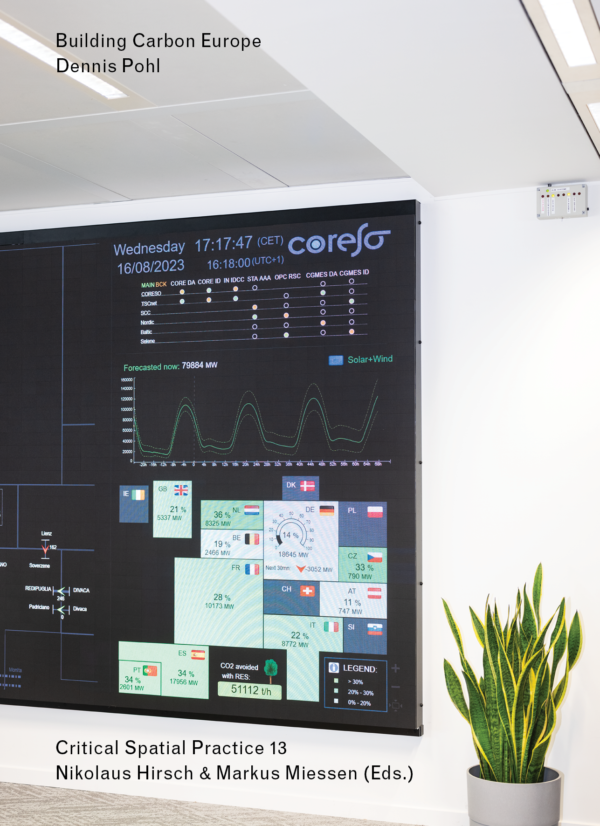
In this volume of the Critical Spatial Practice series, Dennis Pohl locates the origin of Europe's dependency on carbon and nuclear power in the postwar architectural designs and energy policies of the European Community. Since the 1950s, architects have proposed territorial, regional, and urban development plans that served the European political project. They collaborated with the European Coal and Steel Community in an effort to render the steel building industry as efficient as the car industry; they incorporated the ideas of infinite nuclear energy, as promoted by the European Atomic Energy Community, into their designs.
This book demonstrates how architecture served the political economy of postwar Europe as a means of turning coal, steel, and radioactivity into tools of European governance. Architectural design enabled EU institutions to support social policies and worker housing within the coal and steel industry as well as to promote a new pan-European lifestyle based on nuclear energy. In other words, architecture powered Europe's larger infrastructural, economic, and cultural network. Pohl's work not only sheds light on how architecture has contributed to the carbonization of Europe, it also highlights the environmental issue, which challenges both architectural criticism and historiography in the era of the Anthropocene.
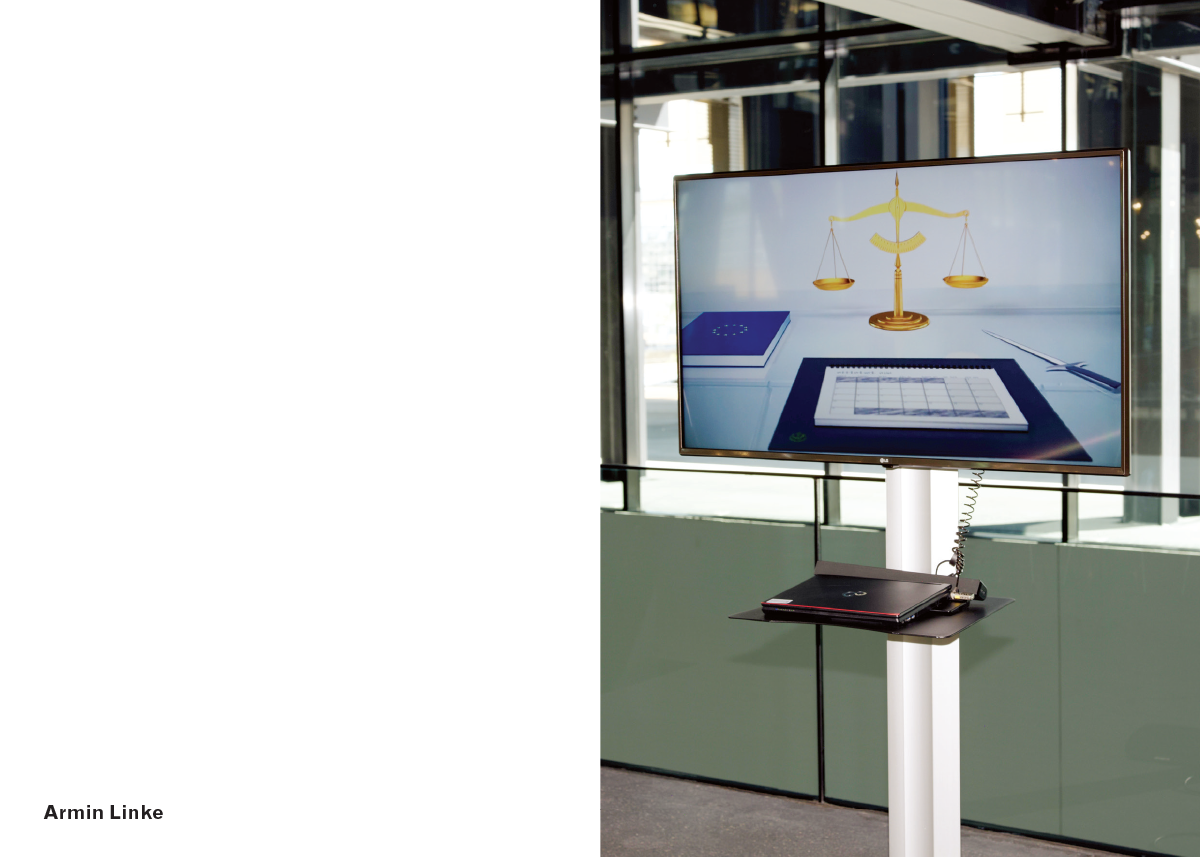
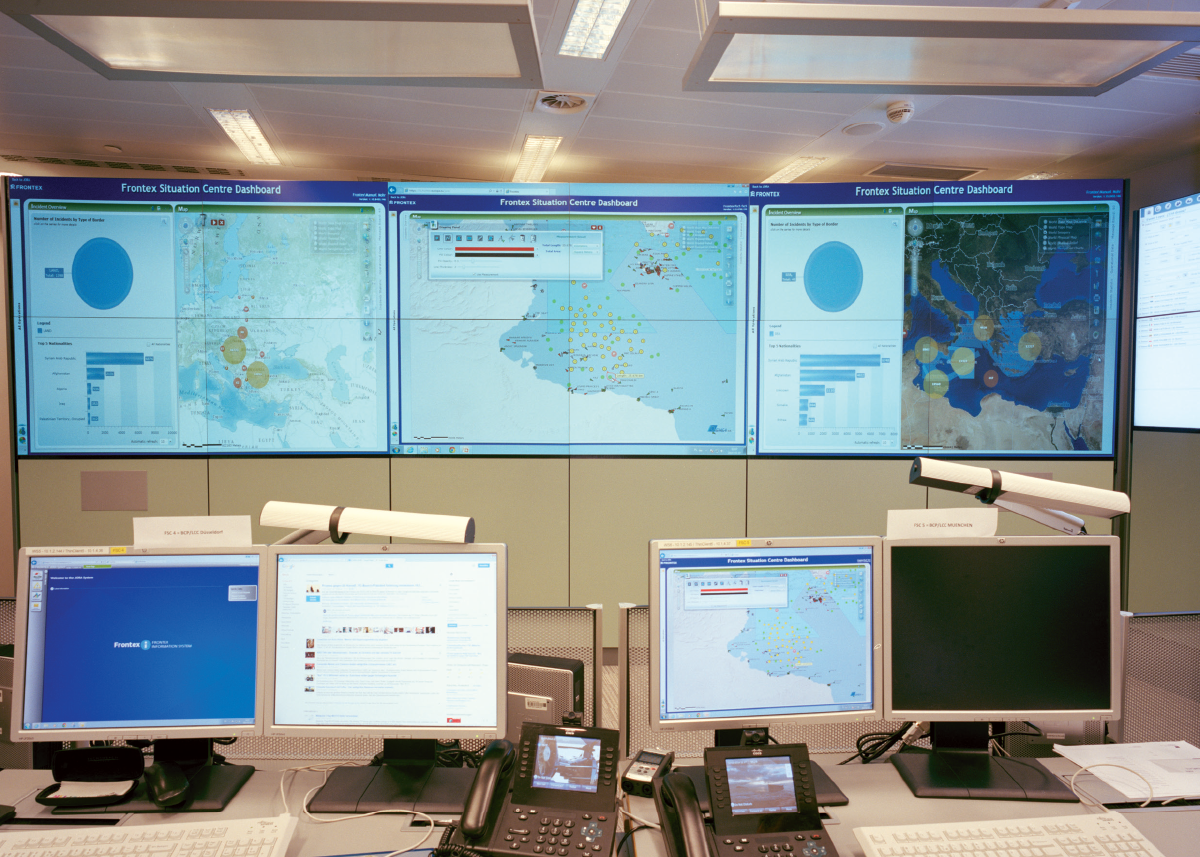
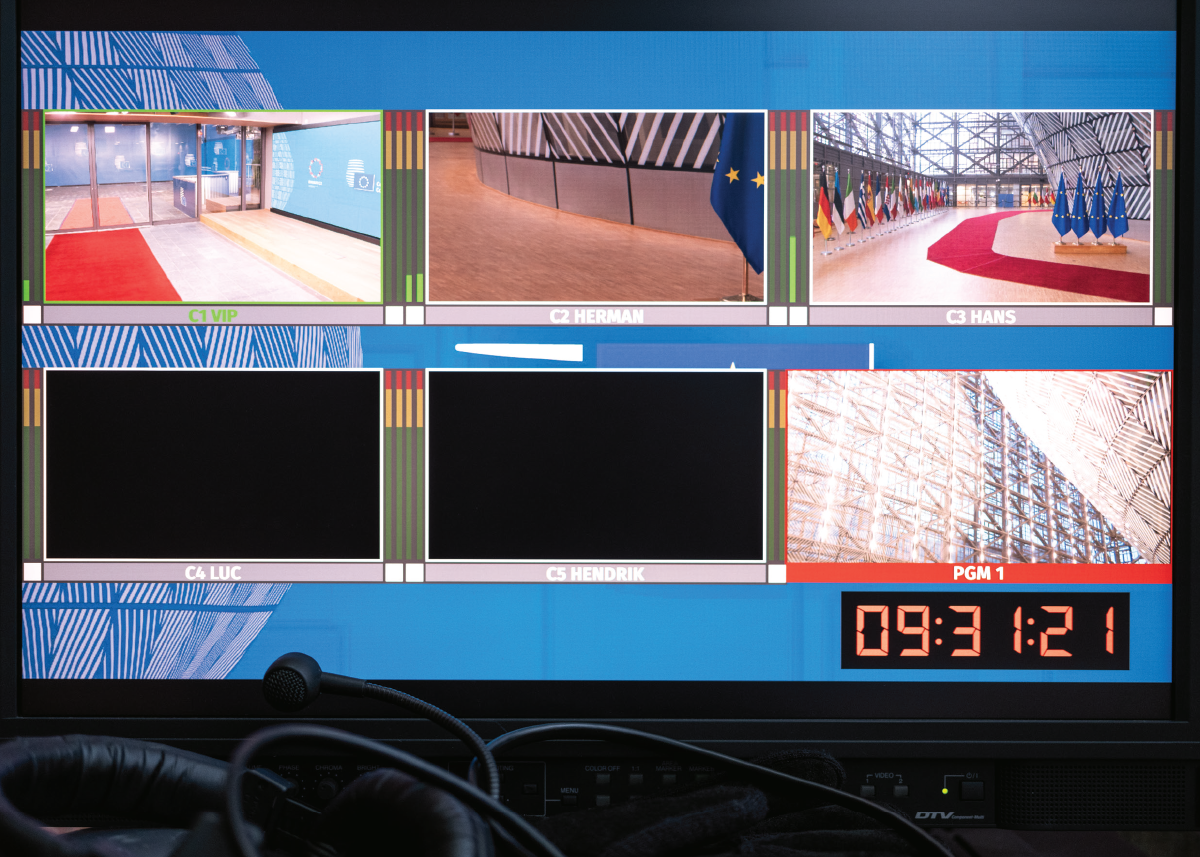
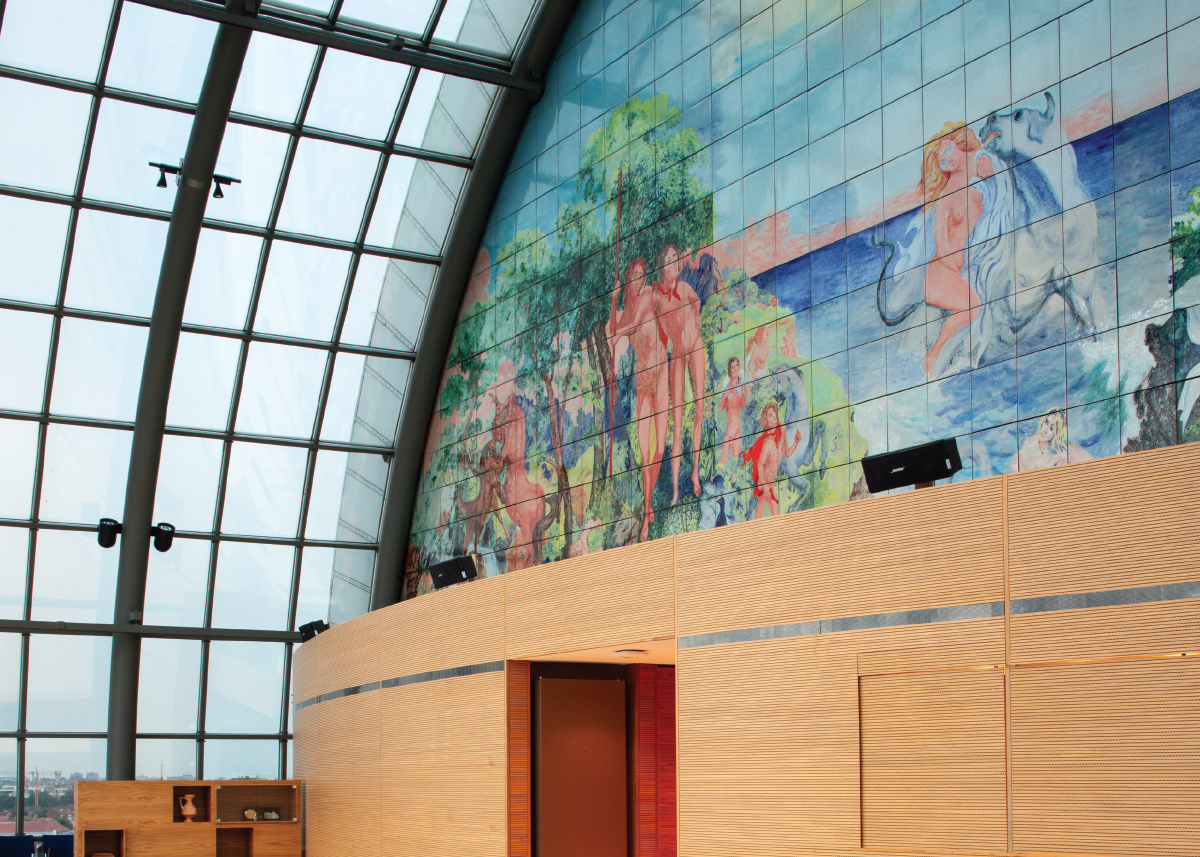
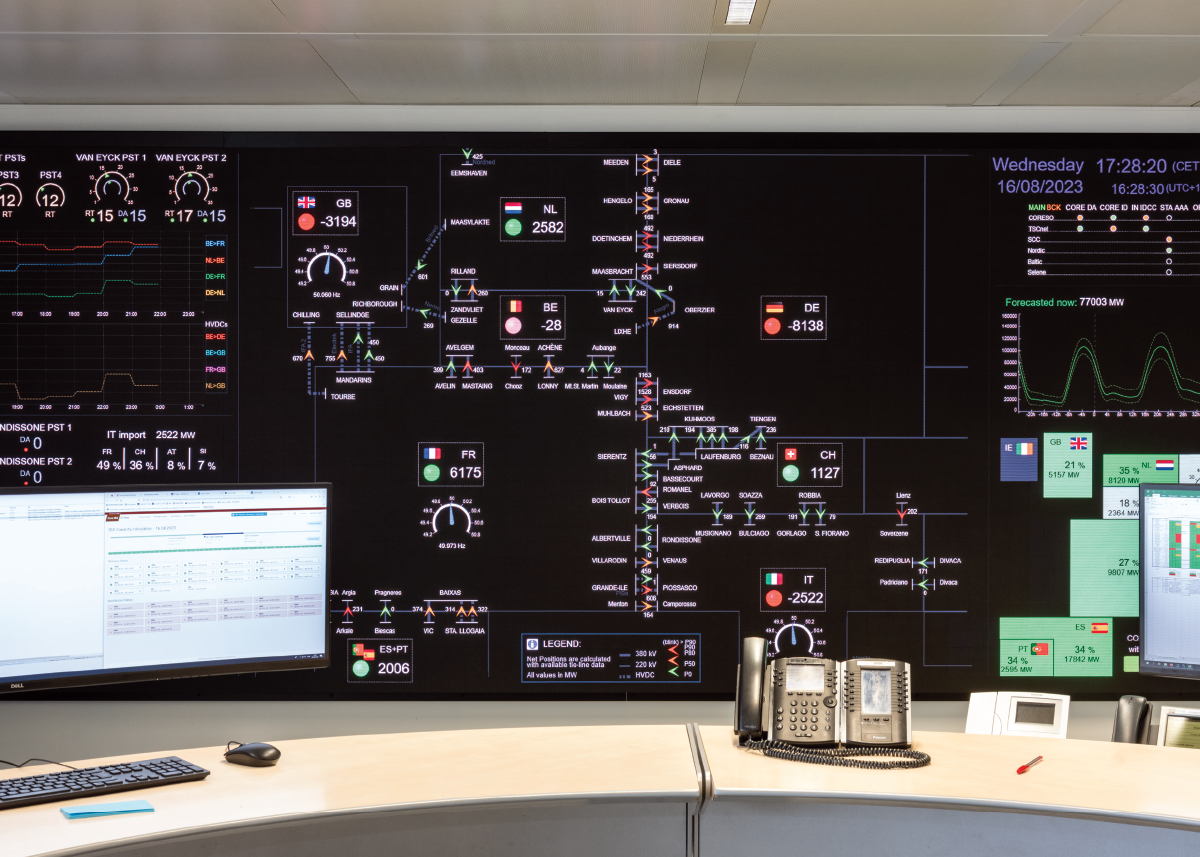
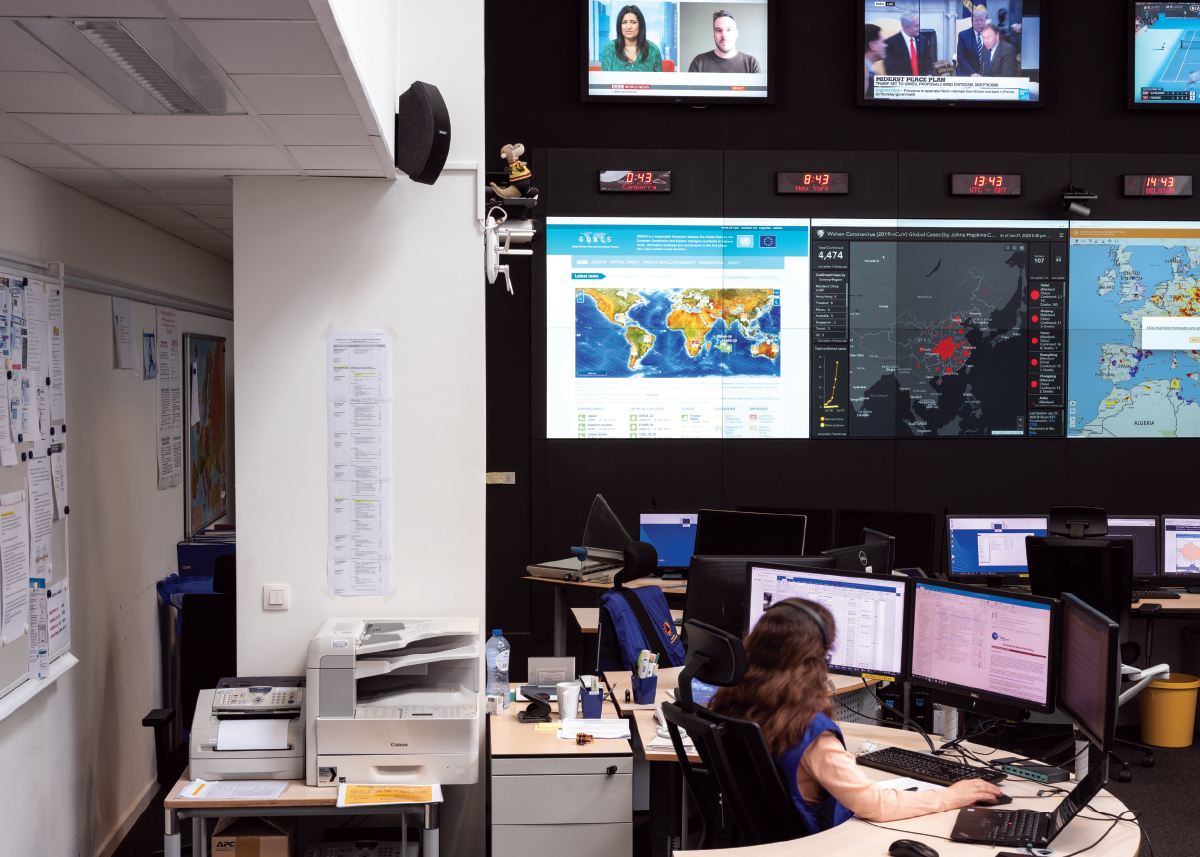
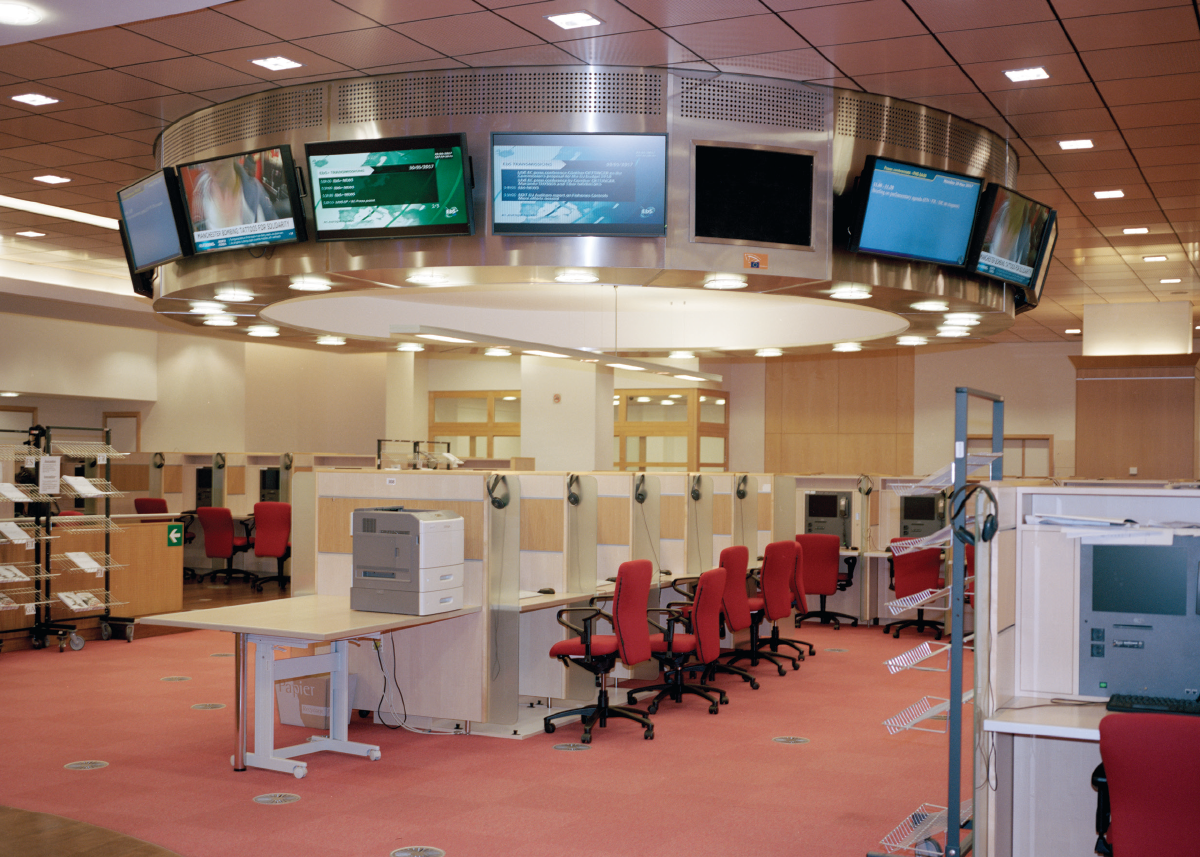
Featuring artwork by Armin Linke.