Cart totals
| Subtotal | €14.00 |
|---|---|
| Shipping |
Shipping options will be updated during checkout. |
| Total | €20.27 (includes €1.68 VAT) |
| Subtotal | €14.00 |
|---|---|
| Shipping |
Shipping options will be updated during checkout. |
| Total | €20.27 (includes €1.68 VAT) |

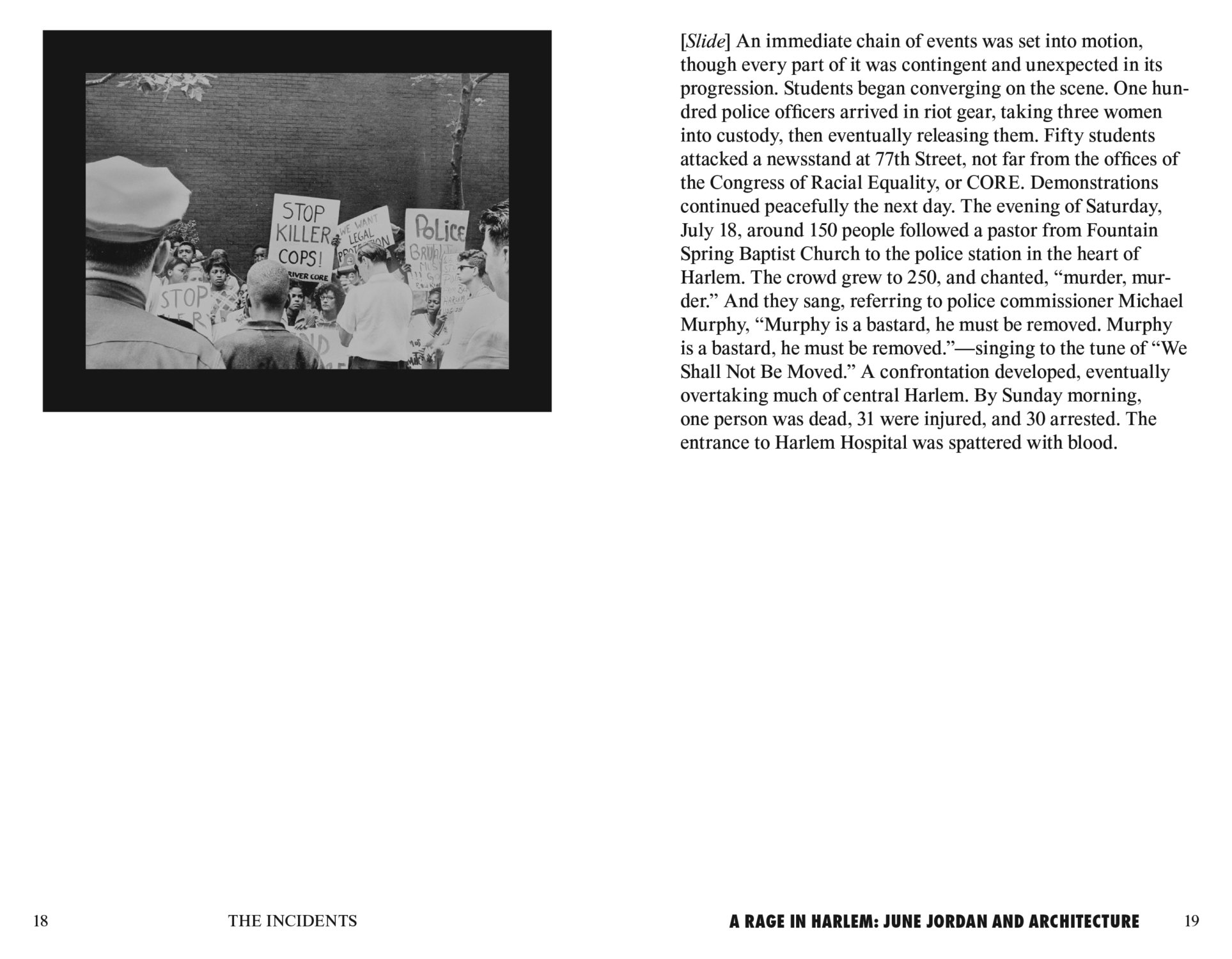
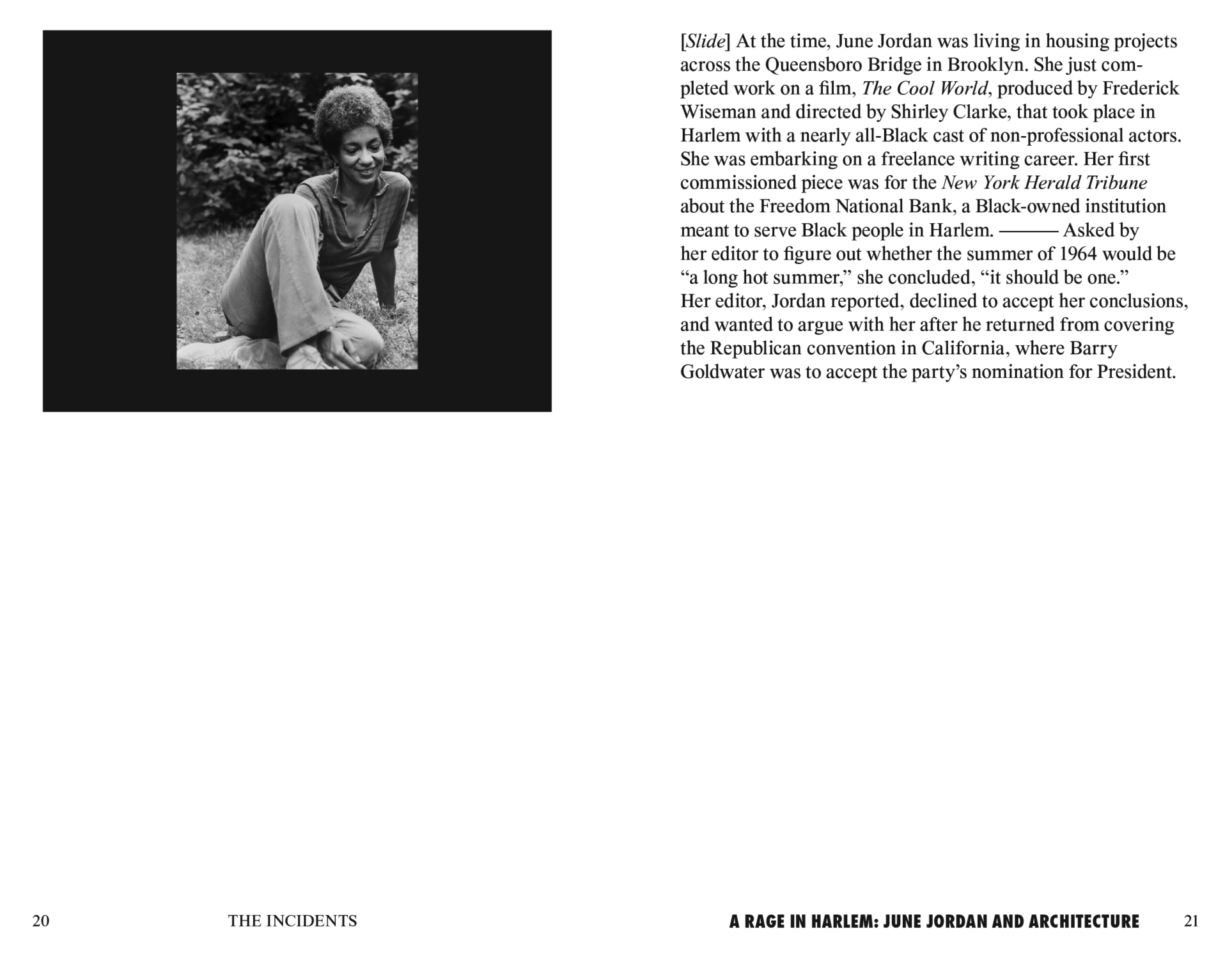
In the tense days leading up to the 2020 American elections, design critic and then-candidate for Pennsylvania State Senate Nikil Saval addressed a virtual audience at the Harvard GSD to tell a story about Black feminist writer June Jordan and a little-known project that resulted from the aftermath of the 1964 Harlem riot. The events of police brutality and community grieving made a lasting impression on Jordan, who, while known for her work as a poet, playwright, and activist, responded with a proposal for a multiple-tower housing design. Through an unlikely partnership with R. Buckminster Fuller, Jordan's “Skyrise for Harlem” project offered a Futuristic vision for Harlem that argued for environmental redesign: “it is architecture, conceived of in its fullest meaning as the creation of environment, which may actually determine the pace, pattern, and quality of living experience.” Jordan was not an architect in the conventional sense, Saval says. “But in the understanding of someone who sought to propose and build interventions in public space, she was.”