Your cart is currently empty.
Cart
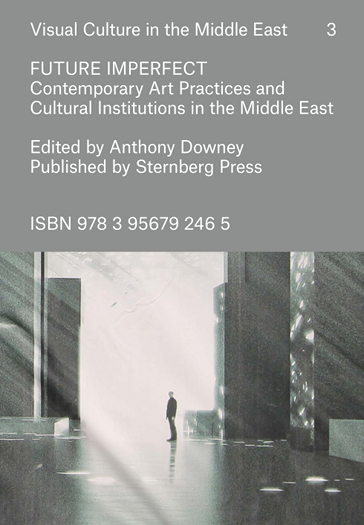
Future Imperfect
Contemporary Art Practices and Cultural Institutions in the Middle East
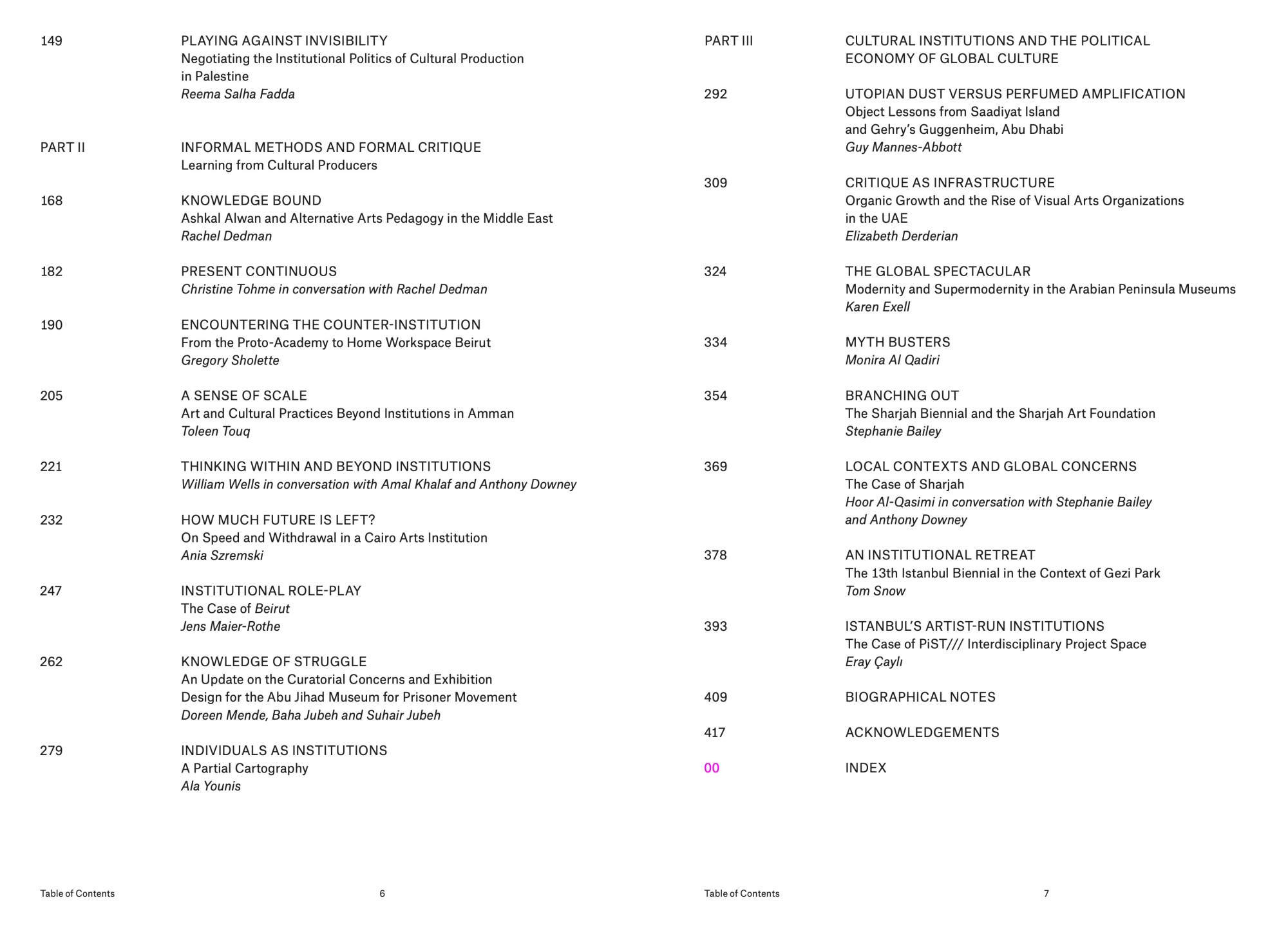
Contributions by Hoor Al-Qasimi, Leia Al-Shami, Anahi Alviso-Marino, Nile Sunset Annex, AMBS Architects, Stephanie Bailey, Rachel Dedman, Elizabeth Derderian, Anthony Downey, Karen Exell, Reema Salha Fadda, Wafa Gabsi, Hadia Gana, Adalet R. Garmiany, Baha Jubeh, Suhair Jubeh, Wided Rihana Khadraoui, Amal Khalaf, Kamel Lazaar, Jens Maier-Rothe, Guy Mannes-Abbott, Doreen Mende, Lea Morin, Jack Persekian, Monira Al Qadiri, Rijin Sahakian, Gregory Sholette, Tom Snow, Lois Stonock, Ania Szremski, Christine Tohme, Toleen Touq, Williams Wells, Ala Younis, Yasmine Zidane, Eray Çaylı
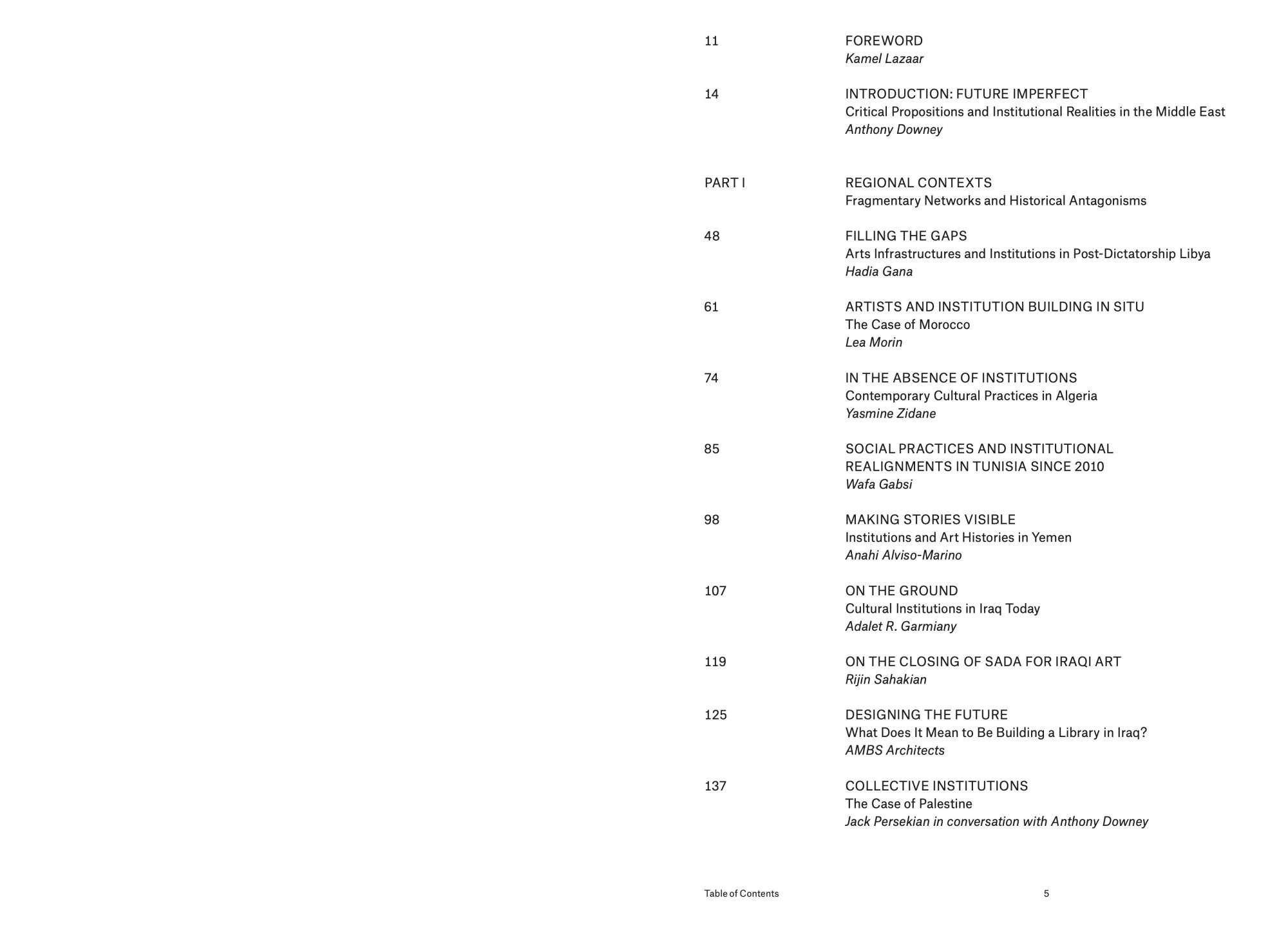
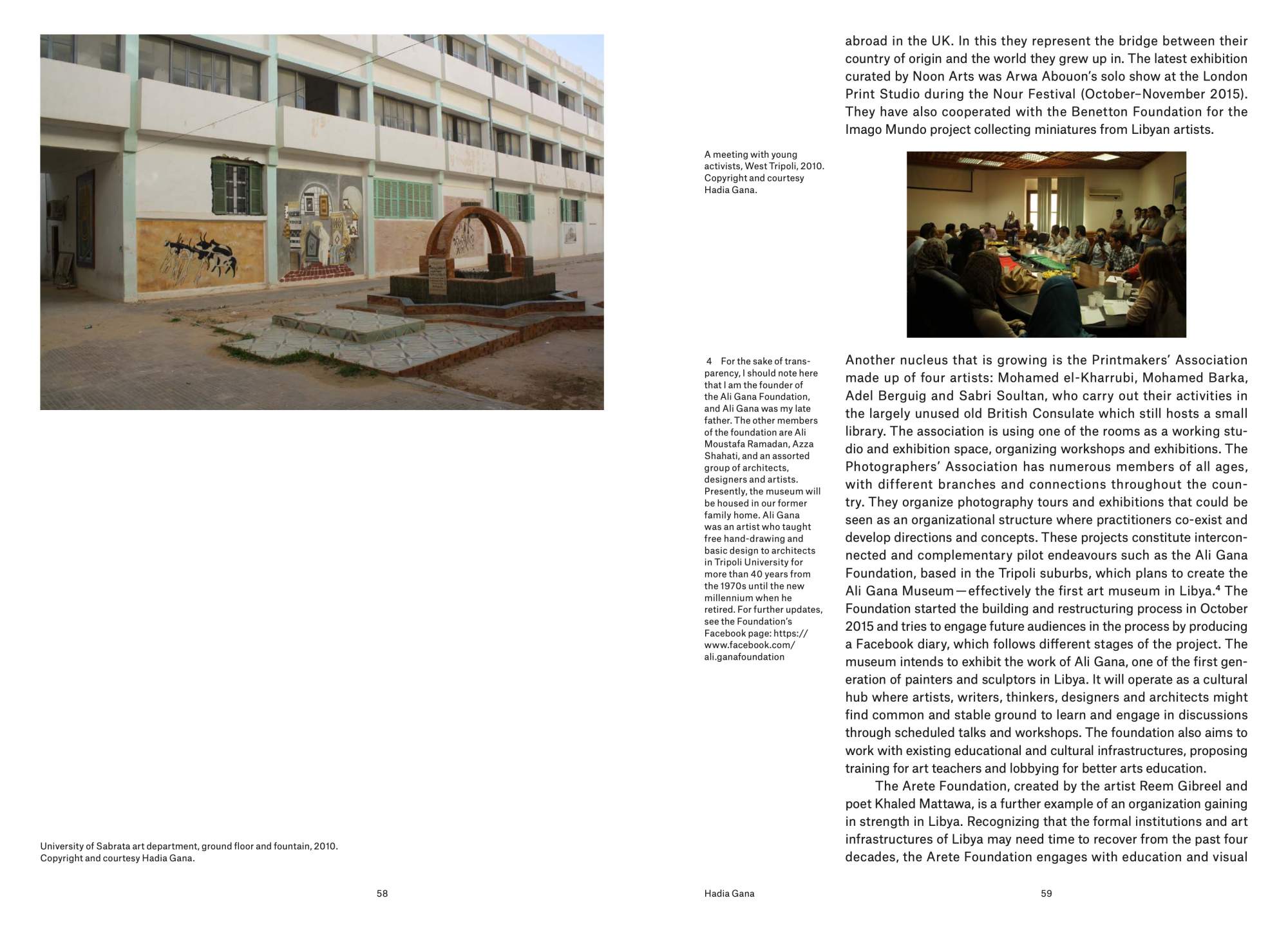
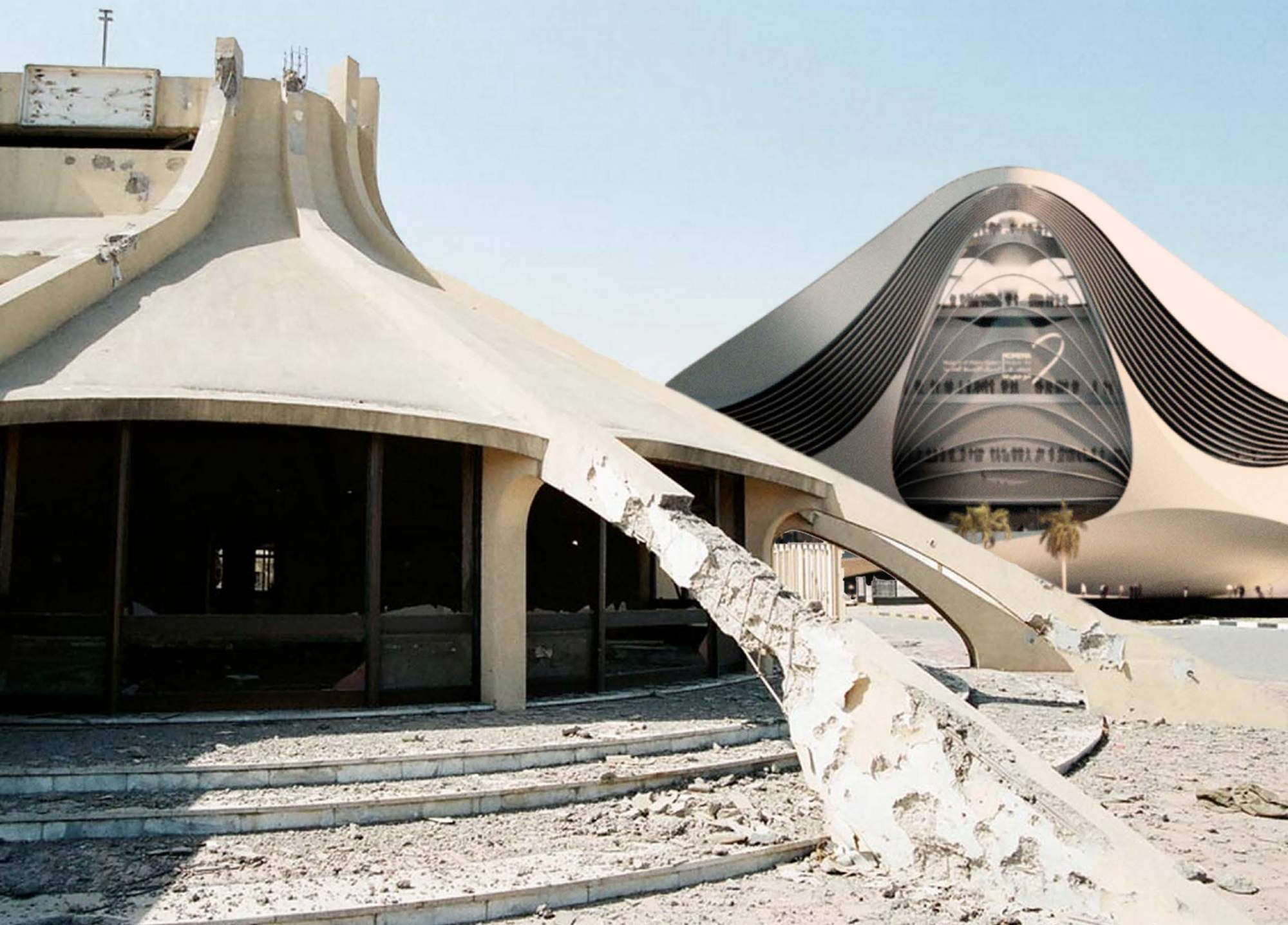
Future Imperfect critically examines the role played by cultural institutions in producing present-day and future contexts for the production, dissemination, and reception of contemporary art in the Middle East and North Africa. It offers historical contexts for discussions that have become increasingly urgent in recent years—the role of culture in a time of conflict and globalization—and an in-depth critique of the state of cultural institutions in an age of political upheaval, social unrest, exuberant cultural activity, ascendant neoliberal forms of privatization, social activism, and regional uncertainty. Based on collective input from numerous contributors and interlocutors, this volume brings together internationally renowned academics, critics, activists, filmmakers, artists, and other independent cultural practitioners to consider how new infrastructures and institutions can effectively emerge within such fraught and dynamic contexts. What is needed in terms of infrastructure for cultural production today, and how, crucially, can we speculatively propose new infrastructures and institutions in the context of present realities?
Visual Culture in the Middle East Vol. 3
Supported by the Kamel Lazaar Foundation
Related Books