Your cart is currently empty.
Cart
Freedom of Use
Edited by Jennifer Sigler, Leah Whitman-Salkin
Introduction by Iñaki Ábalos
Nothing in the architecture of Lacaton and Vassal is what it looks like at first glance.
—Iñaki Ábalos, introducing Anne Lacaton and Jean-Philippe Vassal, Harvard University Graduate School of Design, March 24, 2015
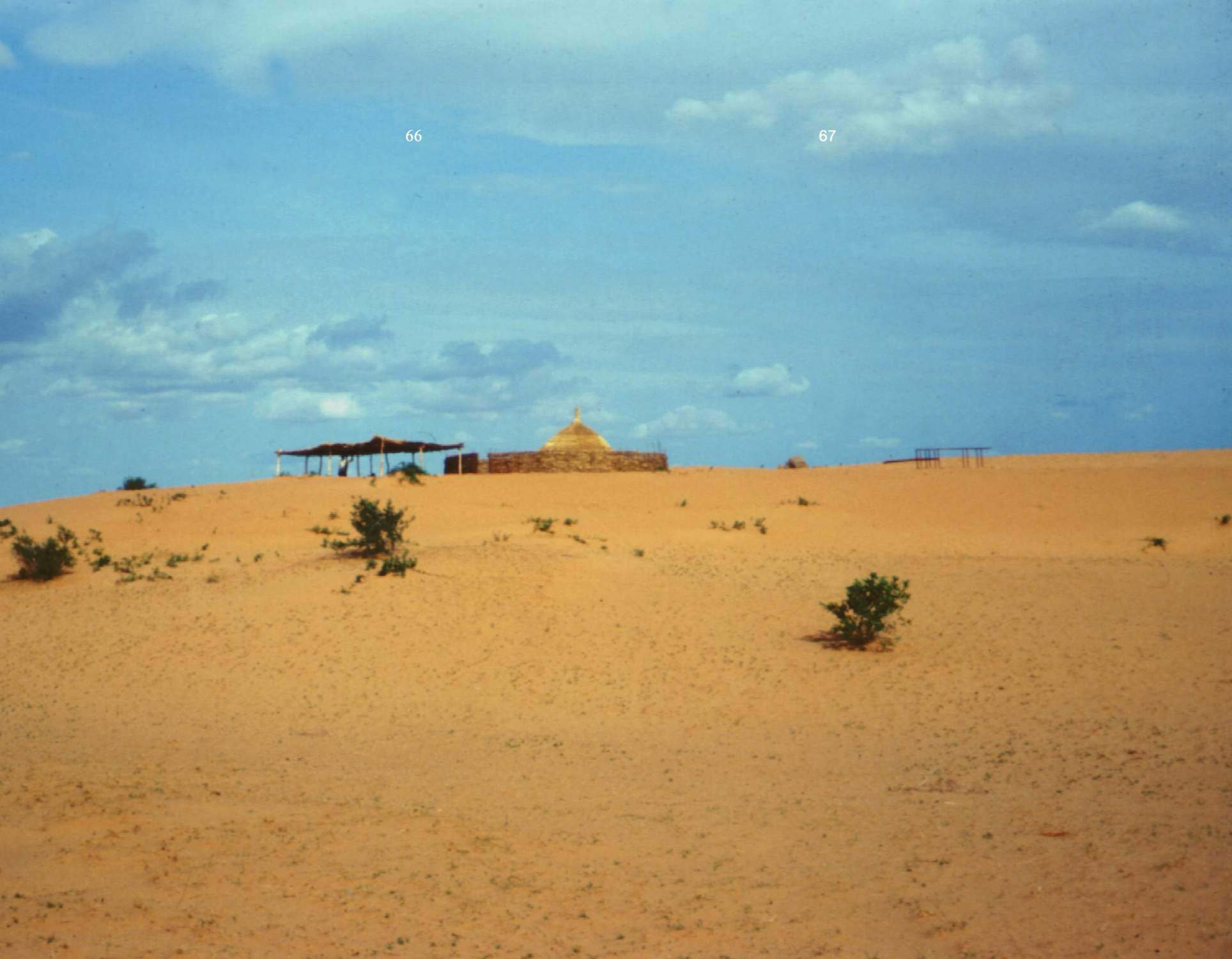
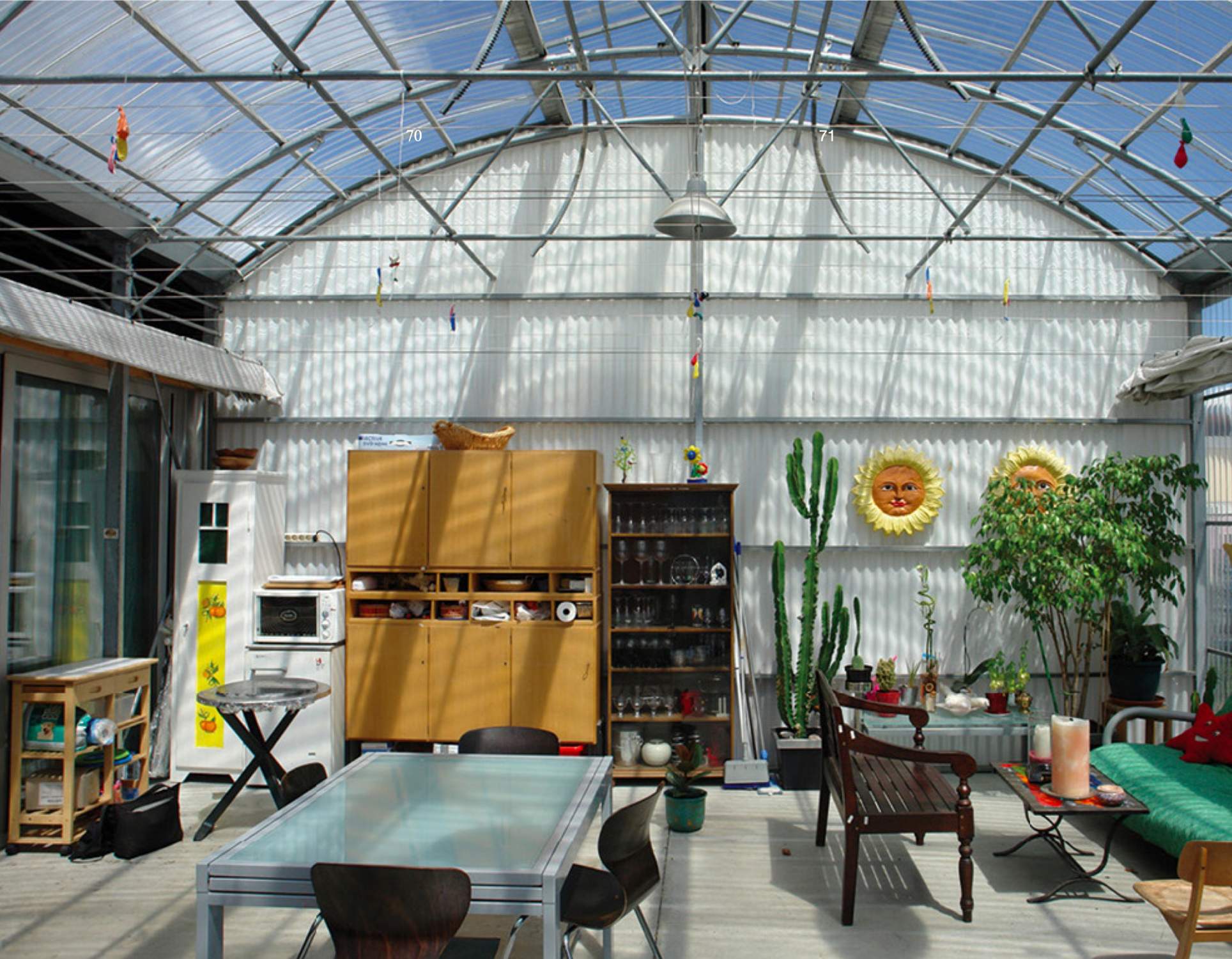
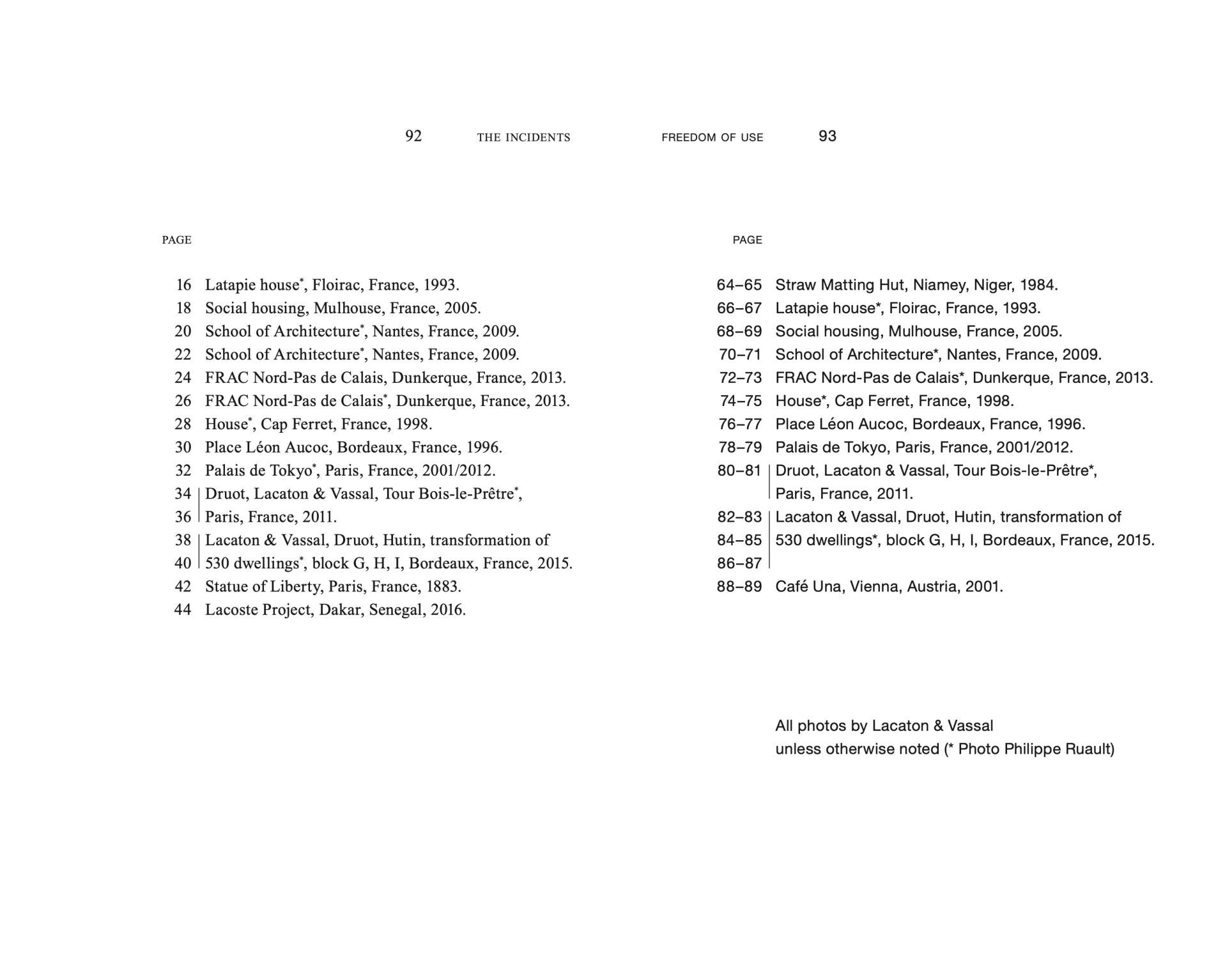
Anne Lacaton and Jean-Philippe Vassal are known for an architecture that privileges inhabitants’ freedom and pleasure through generous, open designs. The Paris-based architects opened their 2015 lecture at Harvard University with a manifesto: study and create an inventory of the existing situation; densify without compressing individual space; promote user mobility, access, choice; and most importantly, never demolish. Freedom of Use reflects on these core values to present a fluid narrative of Lacaton and Vassal’s oeuvre, articulated through processes of accumulation, addition, and extension. The architects describe built and unbuilt work, from a house in Niger made of little more than branches; to the expansive Nantes School of Architecture; to a public square in Bordeaux where, after months of study, their design solution was: do nothing.
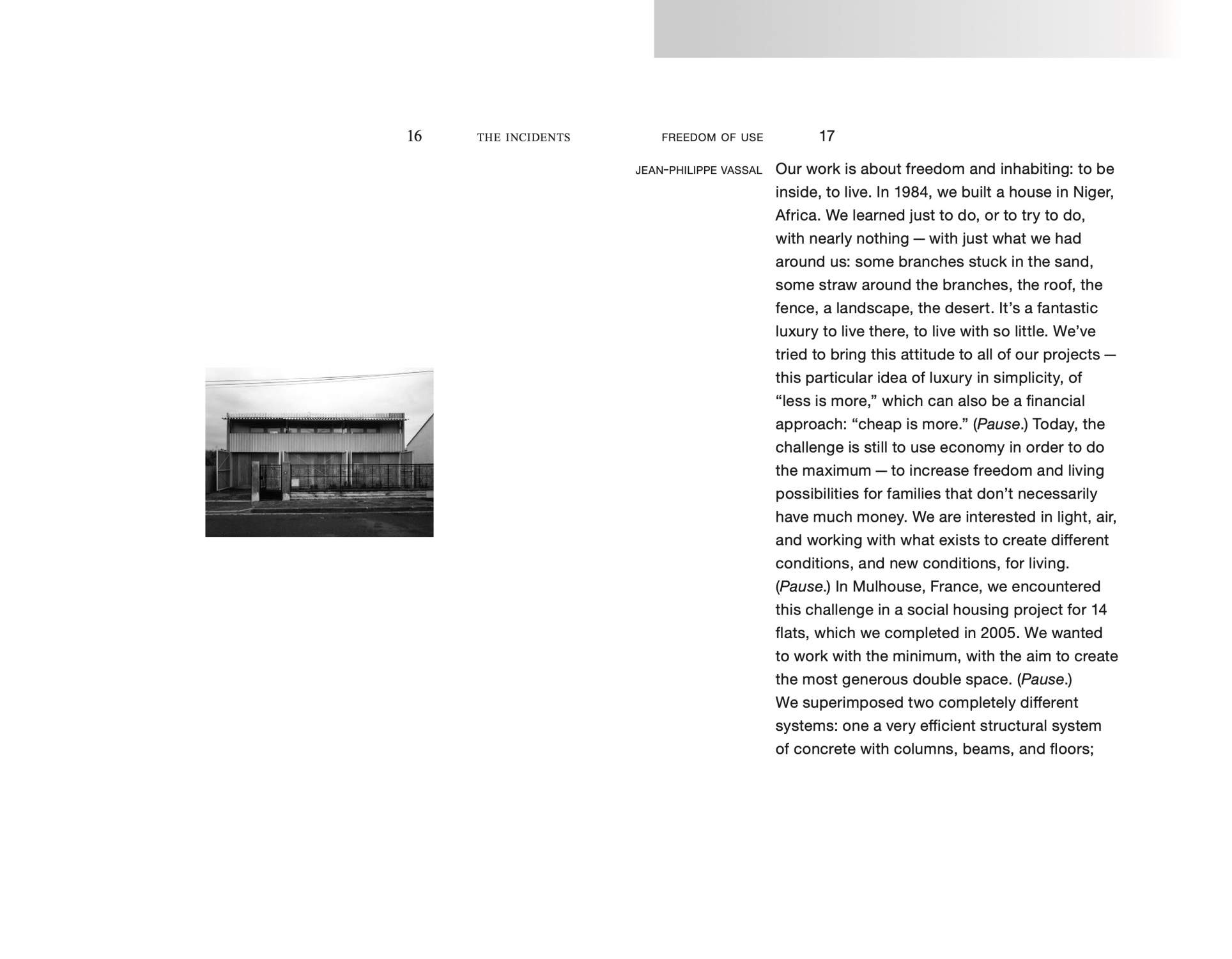
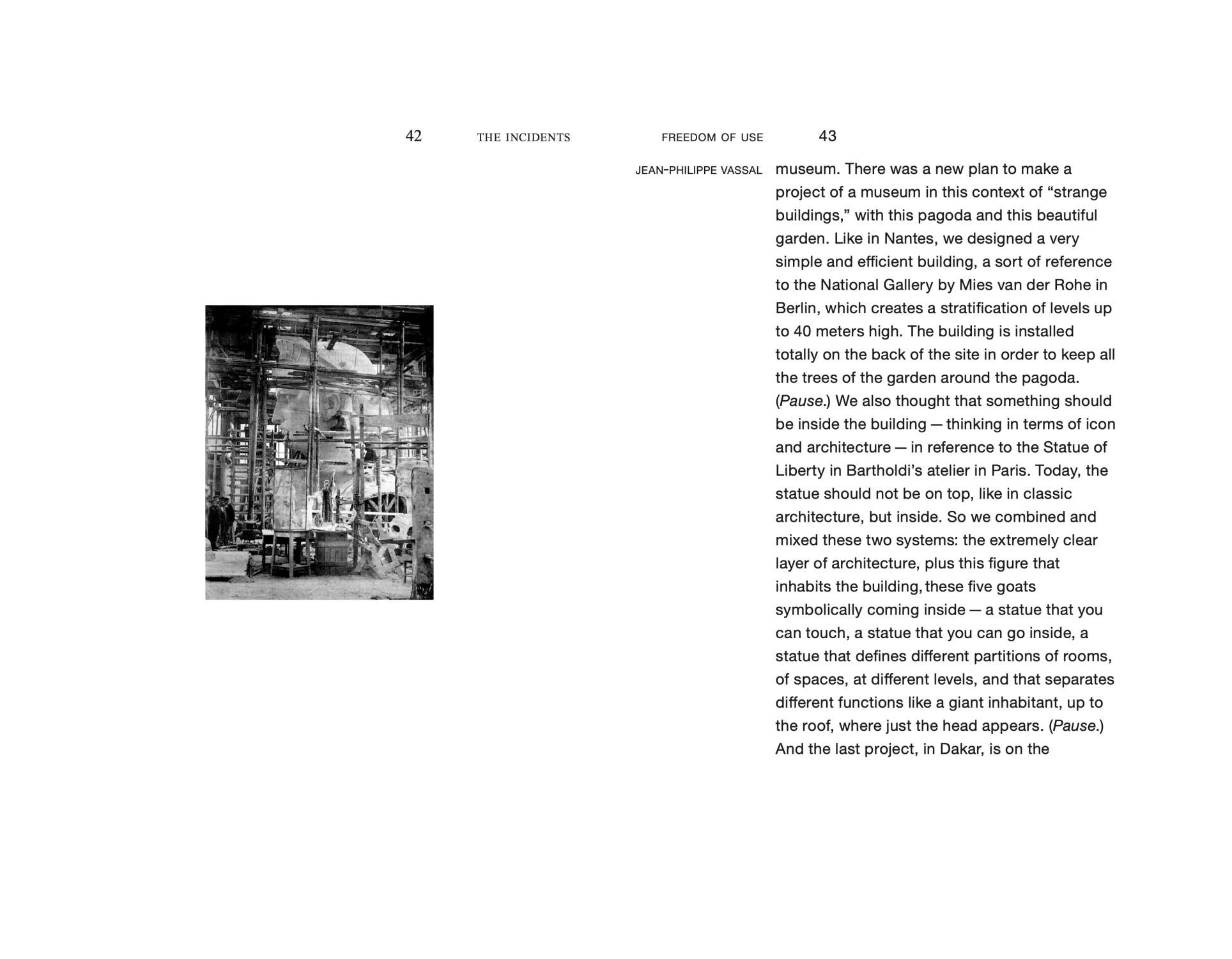
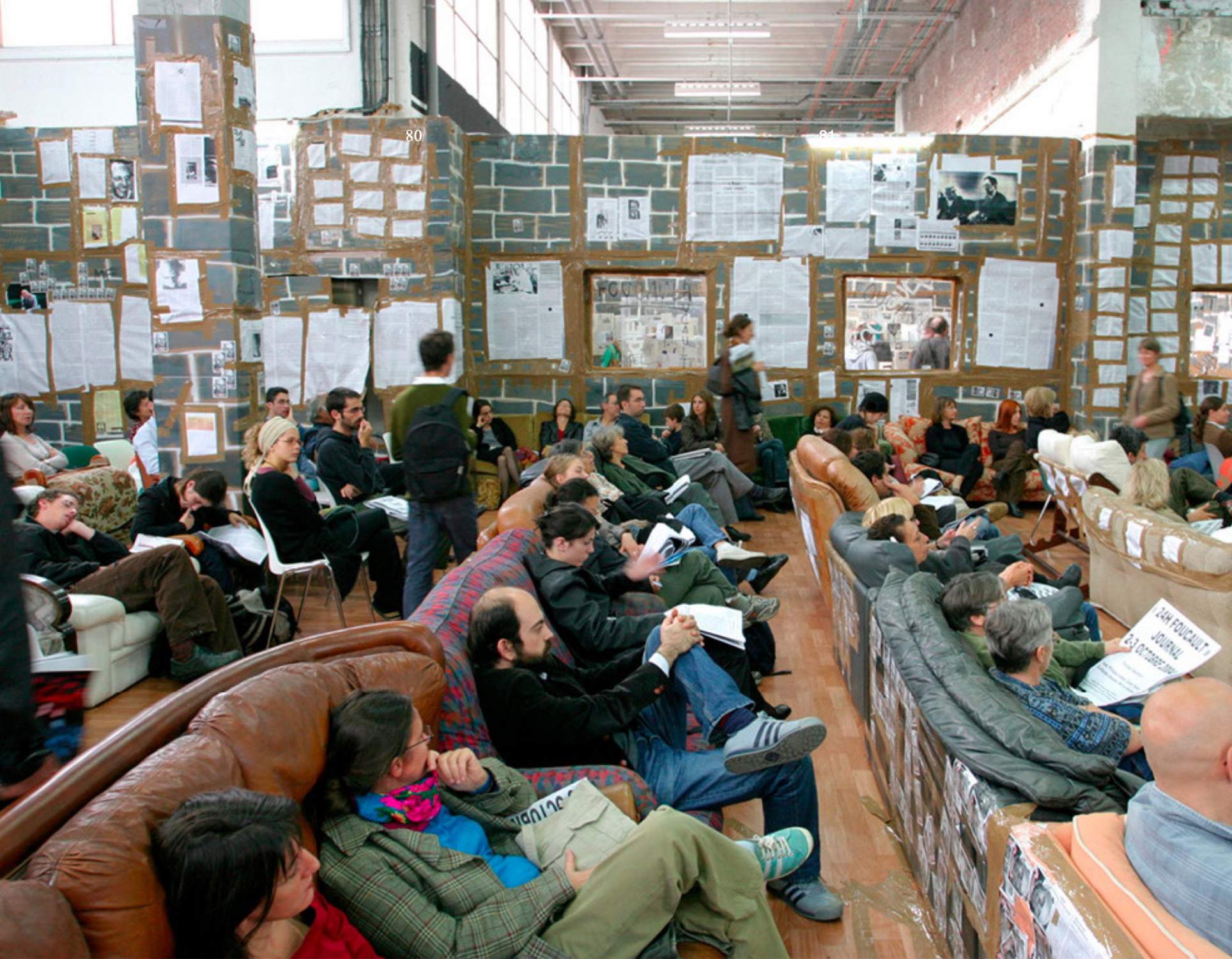
Lacaton and Vassal’s principle of doubling space is echoed in the book’s treatment of photography: black-and-white exterior shots that run alongside the text form a dialogue with corresponding full-color photographs of each interior, gathered at the end of the book.
Softcover
€12.00


