Your cart is currently empty.
Cart
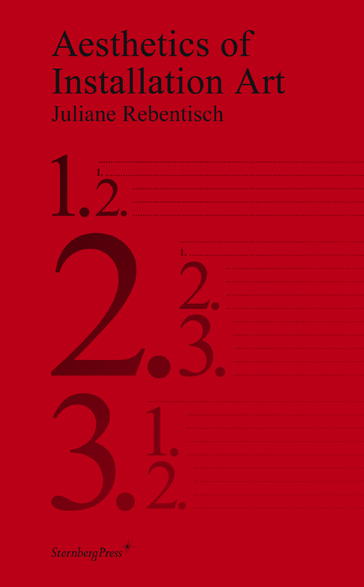
Aesthetics of Installation Art
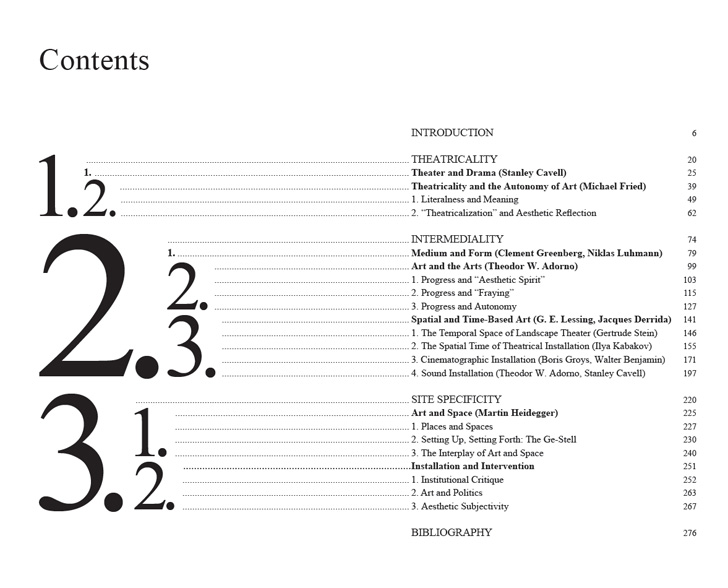
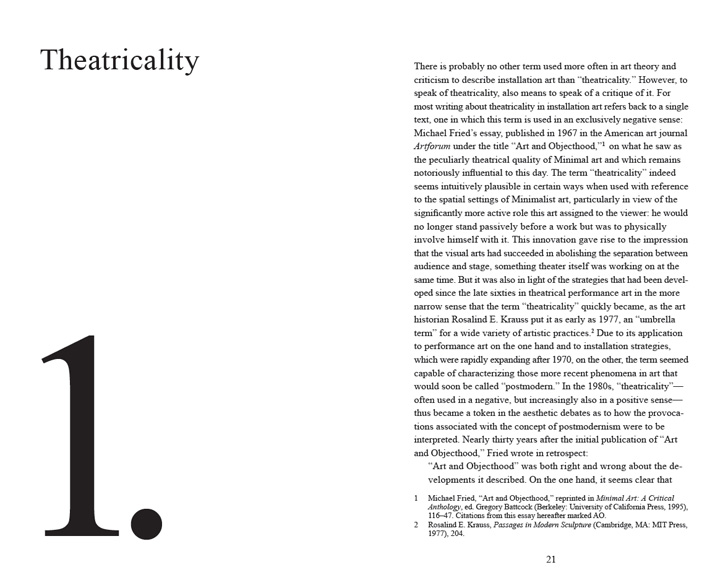
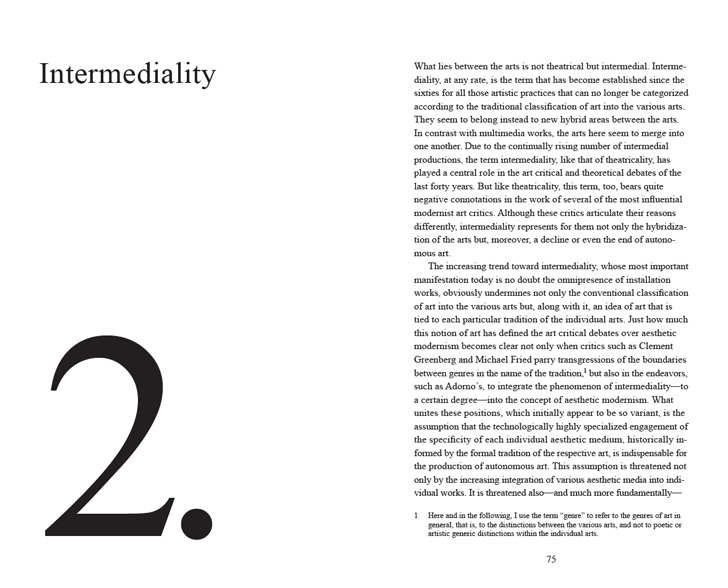
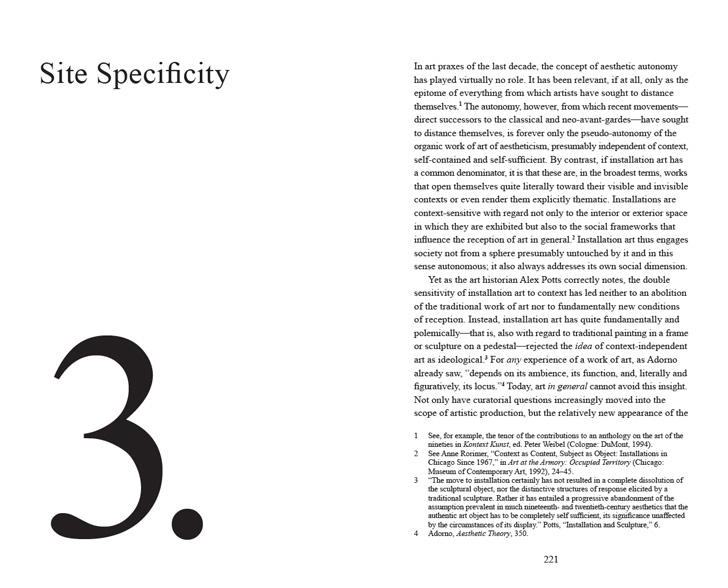
In recent years, debates surrounding the concept of art have focused in particular on installation art, as its diverse manifestations have proven to be incompatible with the modern idea of aesthetic autonomy. Defenders of aesthetic modernism repudiated installation-based work as no longer autonomous art, whereas advocates of aesthetic postmodernism abandoned the concept of aesthetic autonomy altogether. Juliane Rebentisch asserts that installation art does not, as is often assumed, dispute aesthetic autonomy per se, and rather should be understood as calling for a fundamental revision of this very concept. Aesthetics of Installation Art thus proposes a new understanding of art as well as of its ethical and political dimension.
Softcover
€19.00
Aesthetics of Installation Art will rejuvenate and irrevocably change debates about the nature of aesthetic experience, the autonomy of art, modernism and postmodernism, and, through all of these, about installation art—certainly, in Juliane Rebentisch’s expanded definition of the genre, the most important form of art since the 1960s.
— Douglas Crimp
Juliane Rebentisch’s study of the philosophical underpinnings of installation art brilliantly reevaluates the concept of aesthetic autonomy as the very condition of the possibility of ‘art’ itself. With captivating readings of Martin Heidegger, Theodor W. Adorno, Clement Greenberg, Rosalind E. Krauss, Jacques Derrida, Stanley Cavell, and others, Aesthetics of Installation Art pushes debates about ‘site specificity’ and ‘Institutional Critique’ to argue that aesthetic autonomy and the public sphere in installation art are, in fact, inseparable.
— Tom Holert
Related Books